There’s a moment, somewhere between the third dirt road and the second unplanned stop of the day, when you realise you’re not really “visiting” anymore. You’re just… there. Present. That’s slow travel. And frankly, once you’ve tried it, the idea of rushing through a country on a tight itinerary feels almost absurd.
But here’s what a lot of people miss : slow travel pairs incredibly well with the world of natural wine. Not in a pretentious, sommelier-with-a-notebook way. More in a “let’s find a small producer in the middle of nowhere and spend two hours talking to them” kind of way. If you want to dig deeper into that universe before you go, terresdevin.net is a solid starting point – good content, honest approach, no unnecessary fluff.
What does “slow travel” actually mean in practice ?
It’s not just about travelling slowly. It’s about choosing depth over breadth. Instead of five countries in ten days, you pick one region and you stay. You eat where the locals eat. You take roads that don’t appear on tourist maps. You let things happen.
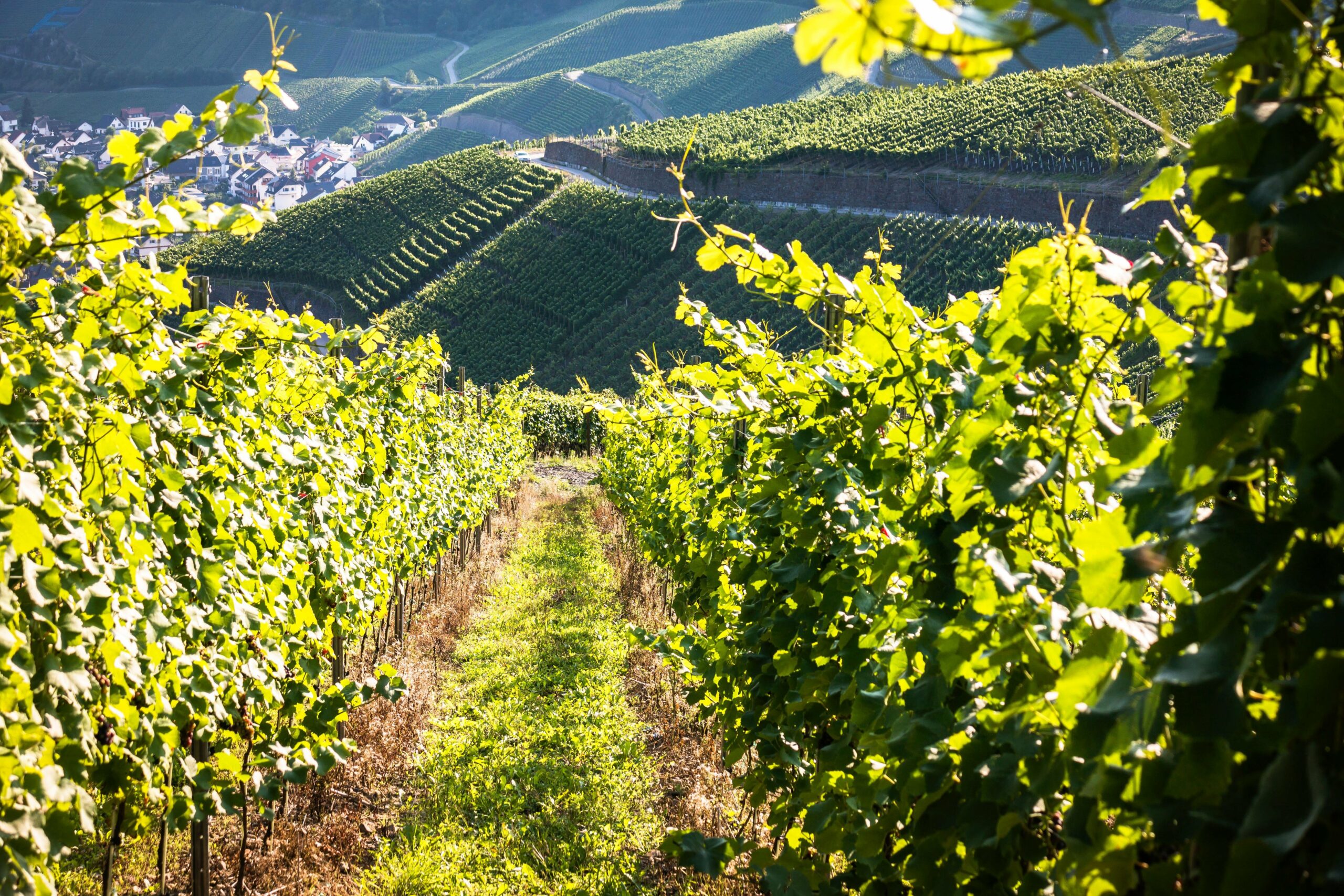
In rural Europe, that mindset changes everything. The Lot Valley in France, the Alentejo in Portugal, the hills of Calabria in southern Italy – these are places that only reveal themselves if you slow down. Drive through at 90km/h and you’ll see fields. Stop, walk, ask questions, and suddenly you’re in someone’s courtyard drinking a glass of something they made themselves. For anyone wanting to prepare that kind of trip properly, https://terresdevin.net is worth a look before you pack your bags.
Why natural wine fits perfectly into this kind of journey
Natural wine – made with minimal intervention, no added sulphites or very few, often from small-scale producers – tends to come from exactly the places slow travellers are drawn to. Remote. Unfashionable. Honest.
These aren’t wines you find in supermarkets. They’re made by people who’ve chosen a harder, more uncertain path because they believe in it. And visiting them is, weirdly, one of the most memorable travel experiences you can have. It’s got nothing to do with being a wine expert. I know people who barely drink who came back from a domaine visit completely captivated – not by the wine, but by the story behind it.
A few things that make these encounters worth seeking out :
Most small natural wine producers don’t have tasting rooms or booking systems. You just… show up, or send an email a few days before.
Many of them speak just enough English to have a real conversation. Or you muddle through in French or Italian. It works.
The prices are often surprisingly reasonable – partly because there’s no marketing budget, partly because that’s just how they operate.
Which regions in Europe are worth exploring this way ?
Honestly, almost any rural wine region works if you approach it with the right mindset. But some areas have a particularly strong natural wine scene that makes them especially interesting for this kind of trip :
The Loire Valley, France – probably the spiritual home of natural wine. Muscadet, Anjou, Touraine. The landscape is gorgeous, the producers are numerous, and the food culture around it is exceptional.
Jura, France – smaller, quieter, more offbeat. The wines are unusual (oxidative, funky, sometimes polarising). Perfect if you want to feel like you’ve discovered something that most people haven’t.
Emilia-Romagna and Friuli, Italy – two very different regions but both with a rich tradition of low-intervention winemaking. Add the food and it becomes almost unreasonably good.
Alentejo, Portugal – maybe the most underrated. Vast plains, cork oak forests, incredible temperatures in summer but the kind of heat you adjust to. The wines here are getting more and more interesting.
How to actually organise a slow travel wine trip
This is where people sometimes overthink it. You don’t need a structured itinerary. What you do need :
A rough region in mind
A few producer names to start from (look at natural wine importers’ lists – they often mention where producers are located)
A place to stay that puts you in the countryside, not a city centre
A car. Honestly, there’s no real alternative for this kind of travel.
From there, let things unfold. Ask your host where they buy their wine locally. Ask a producer if they know someone nearby worth visiting. That’s how the best days happen – not planned, just followed.
One thing to keep in mind
Natural wine isn’t always easy to drink. Some bottles are challenging. Some are genuinely not very good. That’s part of it. The same way slow travel means accepting the bad day, the closed restaurant, the wrong turn – travelling with natural wine means accepting that not every glass will be a revelation.
But when it is ? When you’re sitting outside somewhere quiet in the Languedoc or the Vinho Verde region and you open something that tastes like nothing you’ve ever had before – that’s the moment that makes the whole thing worth it.
And that moment doesn’t happen on a tour bus.